Museums, galleries and cultural brands looking for Chinese visitors, on site and on screen.
Most of this section comes from 2019 and 2020, when museums began treating Chinese social platforms as galleries of their own. Local museums found audiences through livestreaming, and short videos on Douyin, the Chinese version of TikTok, showed what a few minutes could do for an institution’s reach.
When the coronavirus closed museums across China early in 2020, many moved their exhibitions online with virtual tours and games. Tencent put collections from American museums on its cloud, the Louvre worked with Alibaba to bring works to Chinese shoppers, and a European museums network assessed the damage the closures had done. Other pages ask whether immersive exhibitions would last, how a national gallery builds a brand in China, and how cultural visitors from China changed once health and safety came first.
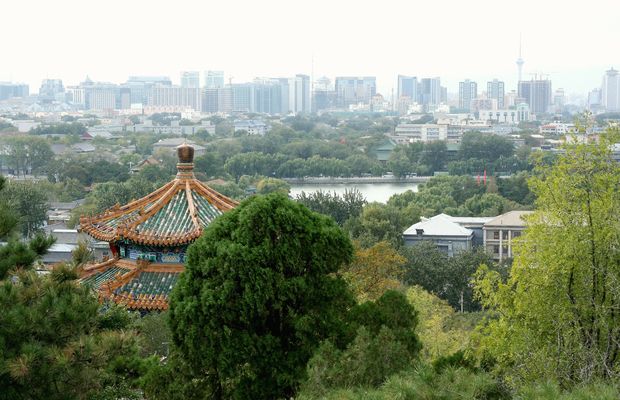
Beijing's most visited museum closed its ticket windows in 2017 and halved its daily ceiling after the pandemic. Every visitor now books a week ahead under a name and an ID, and tour groups draw from a separate pool.
With Chinese visitors kept away by the pandemic, the world's most visited museum is going to them: a store on Tmall, a pop-up on the Bund and a program on Youku.
Immersive art has gone from Instagram novelty to a business that galleries take seriously. In Shanghai, a historic block of villas has worked out how to make a free show pay.
The first Chinese app to win over American teenagers has become a bargaining chip between Washington and Beijing. Cultural institutions that joined it during lockdown are watching nervously.
The museum's licensing partner in China has turned a mall on Nanjing Road into a small Egyptian gallery, built around two habits of young shoppers: the blind box and the check-in photo.
Florence's Uffizi Gallery went from no website in 2014 to joking about Renaissance workouts on TikTok. In China, museums have been on its sister app for years, with the platform's owner actively encouraging them.
As China's museums and scenic sites reopen, a consumer survey suggests audiences are coming back cautiously, spending more time online and staying close to home.
Some European museums opened outposts in China in 2019. The National Gallery chose a lighter route, and it starts with the right partner and a clear idea of what the brand means to Chinese buyers.
With their doors shut by the coronavirus, eleven museums in the United States have opened Mandarin branches inside WeChat, with the American Alliance of Museums behind the effort.
Museums in China are opening their doors again under rules built around phones, QR codes and health status. Some of those rules could travel; others almost certainly will not.
Fifteen-second videos have given a Pittsburgh mollusk curator a teenage following and turned Chinese national treasures into dancers. For museums hoping to reach young Chinese, the sister app Douyin works differently and reaches further.
Closed galleries, a housebound public and a push from the heritage authorities: in February 2020 China's museums put their collections on screens, and some did it with real imagination.
Chinese tourists in Paris head for the Louvre and the Eiffel Tower. The Centre Pompidou is working on two fronts, in Shanghai and at home, to get onto their list.
Western museums are racing to reach China's young art lovers. A show of copies at a record-breaking observation deck suggests that those audiences are harder to please than the brand partnerships assume.
Pop-up shops and licensed products have been the usual route for Western museums into China. The Pompidou is trying a building of its own, run with a state-owned partner.
Thick walls, weak Wi-Fi and a live audience asking questions in real time. A museum studies graduate explains what it takes to stream a collection to China.
Leandro Erlich's optical illusions have filled the CAFA Art Museum in Beijing this summer. Critics call it a selfie show, while the museum says popularity is no threat to scholarship.
At its summit in Chengdu, Sina Weibo released data on what Chinese users post about travel. Culture, museums and the countryside are taking a larger share.
A museum in London has found one of its liveliest shops in China. The second storefront is about being found by people who search on Taobao, not about selling different things.
Big museums court Chinese visitors with apps and merchandise. A student livestreamer in the English Midlands suggests a cheaper route for the small ones.
The National Gallery of Victoria has paired one of the most famous archaeological finds of the last century with new work by a contemporary Chinese artist, and is courting Mandarin speakers to see both.
A WeChat mini program that names a painting from a phone photo has spent two years in Chinese museums. Now Tencent is signing up collections in Paris and Rio de Janeiro.
The country that sends the most tourists abroad receives surprisingly few. At a conference built around outbound travel, the chairman of China's largest online travel agency spoke about the other direction.