The Palace Museum after the walk-up queue
Beijing's most visited museum closed its ticket windows in 2017 and halved its daily ceiling after the pandemic. Every visitor now books a week ahead under a name and an ID, and tour groups draw from a separate pool.
3 min read
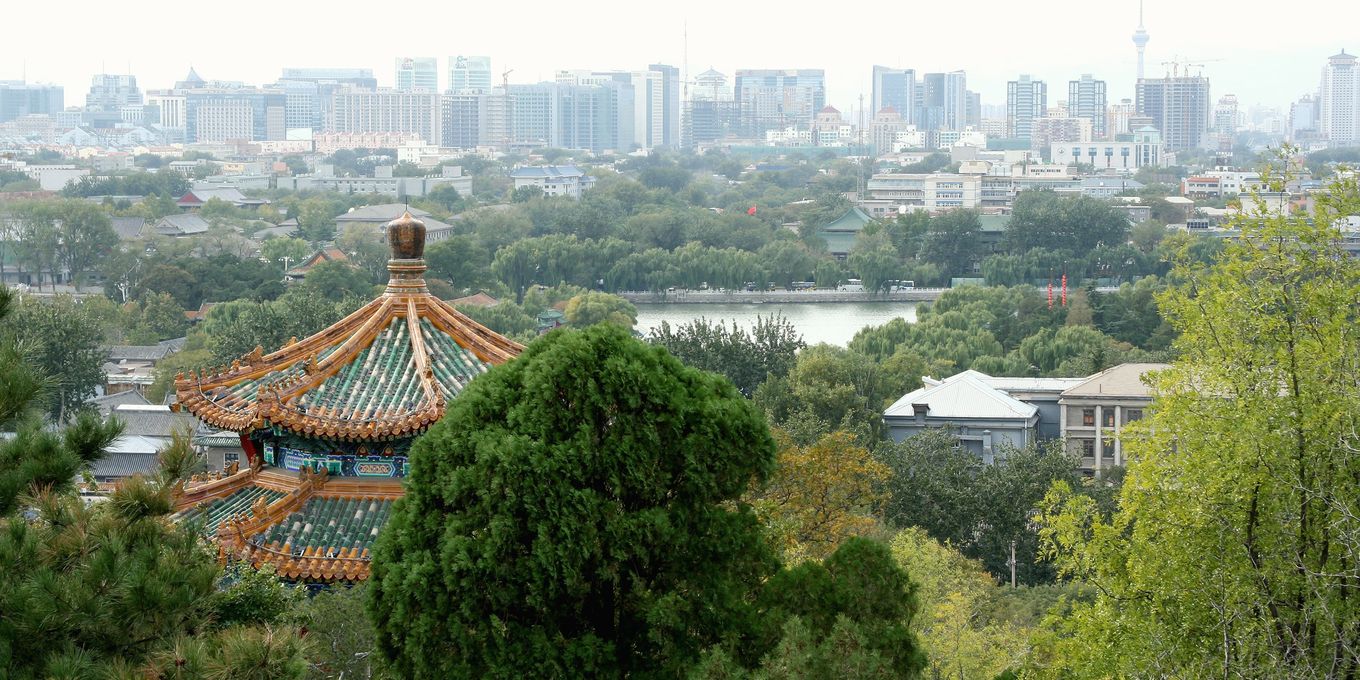
For most of its life as a museum, the Forbidden City in Beijing worked like any other ticketed sight. Visitors lined up at the windows on Duanmen Square, paid at the counter and walked north to the Meridian Gate. That routine has ended. The Palace Museum now sells admission online only, a week ahead, to named visitors carrying the ID they booked with, and it lets in about 40,000 people on an ordinary day.
From 80,000 to 40,000
The change came in stages. In June 2015 the museum set a daily ceiling of 80,000 visitors and began tying tickets to real names. Online sales climbed from 17 percent of tickets that year to 41 percent in 2016. On October 10, 2017, the sign over the ticket office came down and every ticket since has been sold online. In 2019, its last full year before the pandemic, the museum received about 19.3 million visits.
The closures of 2020 brought a far lower number. When the museum reopened on May 1 of that year it admitted 5,000 people a day, and the limit rose step by step through the year. A notice the museum published on April 30, 2021 explained where it meant to settle: it had assessed the best carrying capacity of the site, weighing the protection of a World Heritage property against the quality of a visit, at 40,000 a day, and that figure had been written into the plan for Beijing’s core district. At the time it was still admitting 30,000 a day under pandemic rules. The 40,000 ceiling, half the 2015 level, has stayed since those rules ended.
A week ahead, at eight in the evening
Tickets for a given day go on sale at 8 p.m. Beijing time seven days before, through the museum’s website and its mini program inside WeChat. The English visitor page tells foreign travelers to enter a passport number when booking and to bring the same passport to the gate. The entrance fee is 60 yuan from April to October and 40 yuan from November to March, and the museum is closed on Mondays except on public holidays.
Demand still runs far ahead of supply. In August 2024 the museum opened its ticketing data to the China Tourism News for the first time. Tickets are released in batches over about 40 minutes instead of all at once, and nearly nine requests in ten during the summer peak came from automated scalping scripts, which the system tries to filter out. Cancelled tickets do not return to the pool. In busy periods, such as the summer holidays and the May and October breaks, the museum raises its release by about a quarter above 40,000.
Groups and visitors from abroad
Tour groups no longer compete with individuals for the same tickets. Travel agencies book through their own channel, from a pool kept apart from the one individual visitors draw on, and only agencies without a record of serious complaints may register. For an operator selling a Beijing itinerary, the Forbidden City is now a fixed booking made a week out, not a stop that can be added on the morning.
The museum has said that releasing tickets slowly also gives foreign tour groups and individual travelers using its multilingual site more time to buy. In 2024 it also offered same-day window sales to visitors from abroad who could not book or pay online. Its English page still states that no tickets are sold on the day, so a traveler arriving in Beijing is better off treating the eight o’clock release a week ahead as the only way in.